
Quality
Traceability and quality controls in Chilean mussel processing
Why traceability, batch analysis, and cold-chain documentation matter when buying Chilean mussels.
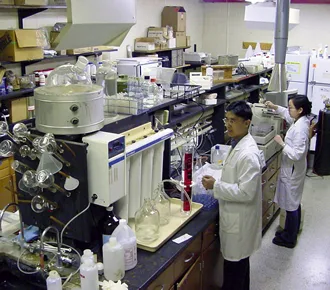
When you import frozen seafood, you inherit the supplier's documentation. If a shipment is questioned at the border, or a customer asks where the product came from, the paperwork behind it becomes your problem. That is why traceability and quality control are not back-office details — they decide whether product clears customs, whether you can make label claims, and whether you can stand behind what you sell. This guide explains what good traceability looks like in Chilean mussel processing and what to ask for.
Traceability starts at harvest
Real traceability begins in the water, not in the plant. A vertically integrated processor links farming and processing under one chain of custody. Toralla manages its farming through Cultivos Toralla S.A., monitoring mussels from seeding through grow-out to harvest across its concessions in the Chiloé channels. Because the same group controls both the farm and the plant, a finished carton can be traced back to the harvest batch and the specific farming zone it came from.
Ask any supplier whether they can identify the farming origin of a given production lot. If the farm and plant are separate companies, find out exactly how that information is passed between them.
Processing records across every step
Inside the plant, each stage should generate records. For Chilean mussels the process runs: washing, shelling, debyssing, cooking, individual quick freezing (IQF), grading by size, packing, palletizing, and cold storage at -18°C. Toralla describes this as a continuous flow taking about 20 minutes from raw mussel to packed frozen product. A complete record set ties each finished lot to the cooking batch, freezing run, and storage location.
These records are what let a supplier issue a credible production date, shelf life, and lot number — the three things your customs broker and your customers will ask for.
Batch testing and food safety analysis
Mussels are filter feeders, so testing is essential. A responsible processor runs analyses for:
- Heavy metals — accumulated from the marine environment
- Marine biotoxins — such as those linked to harmful algal blooms, closely monitored in Chilean waters
- Microbiological indicators — to confirm the cooked product is safe
In Chile, the health authority Sernapesca monitors water and product conditions on an ongoing basis, which underpins the country's EU and US export approvals. Ask your supplier for representative test results and confirm the testing frequency.
Cold-chain documentation
Frozen mussels must stay at -18°C from the plant through the port and across the ocean voyage without interruption. A break in the cold chain damages texture and food safety, and it can void your ability to sell the product. Request confirmation of storage temperature, and for sensitive programs, ask whether temperature logging accompanies the container. Toralla holds finished product in 65,000 m³ of cold storage at -18°C before shipment.
Certifications turn records into proof
Internal records are good; third-party certification makes them verifiable. The certifications that matter for Chilean mussels are MSC (Marine Stewardship Council — Toralla was the first Chilean mussel fishery to earn it), Friend of the Sea, BRCGS food safety, and HACCP/APPCC, all backed by Sernapesca export approval and US FDA registration. Always confirm that a certificate is current before relying on it for your own claims — ask for the certificate with its issue and expiry dates, and request the latest version directly from the supplier rather than relying on an archived copy.
The documentation pack to request
Before a first order, ask the supplier to assemble a single documentation pack containing:
- Health certificate for your destination market
- MSC chain-of-custody documentation if the product is labeled as certified
- Production date, lot number, and shelf life
- Representative heavy-metal, biotoxin, and microbiological results
- Current food-safety and sustainability certificates with valid dates
- Cold-chain and storage confirmation
A supplier that can produce this pack quickly is one you can build a long-term program with. Toralla's quality system is built around exactly this kind of buyer documentation, from sea extraction through frozen storage.